
Air Ducts After a Renovation: Before-and-After Checklist
Renovation dust gets into air ducts when the system runs or the vents are left open. Seal the registers and return grilles and keep the system off during dusty work, wait until the sanding and cutting are finished, then clean the ducts once. Cleaning too early means doing it twice.
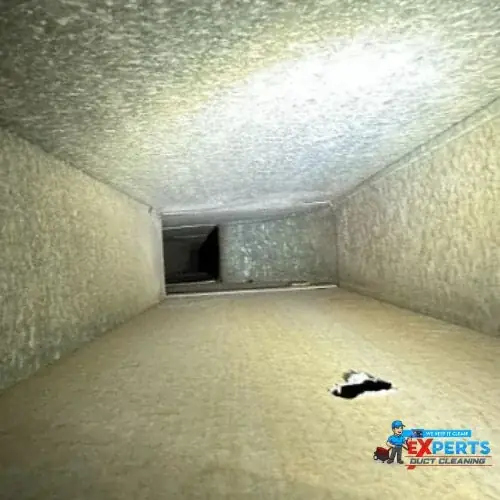
Why renovation dust ends up in the ducts
Drywall sanding, demolition, tile cutting and floor refinishing all make very fine dust, and fine dust travels. If the system is running, the return grilles pull it in and the ducts carry it to every room. Even with the system off, open registers and returns are doorways.
The fix is simple if you start early, and it matches the EPA's advice: seal the supply and return registers during dusty work, and keep the system off until the dust is cleaned up. Handle it in three stages: before the work starts, while it is going on, and after the last tradesperson leaves.
Before the work starts
Ten minutes of prep keeps much of the dust out of the system.
- Agree with your contractor to turn the system off at the thermostat during the dustiest stages.
- Cover every supply register and return grille in the work area, and in the rooms beside it, with plastic sheeting and painter's tape, and keep the system off while they are covered.
- Put in a fresh filter now, and plan to swap it again when the work ends. Our furnace filter guide shows how to match the size.
- Ask how dust will be contained: door barriers, floor protection, a vacuum with a fine-particle filter.
- If your home was built before 1978, ask whether the contractor is EPA lead-safe certified before any sanding or demolition. The EPA's Lead Renovation, Repair and Painting Program generally requires that certification for paid work that disturbs paint in homes of that age. Ask about asbestos in older materials too.
While the work is going on
Check the covers every day or two. Tape lifts, plastic sags, and a corner left open is all dust needs. If you have to run the system on a cold or hot day, replace the filter more often than usual, because it will load up quickly. Do not run it with registers or returns covered.
Not every job is equally messy. This is a rough guide to where to be most careful.
| Job | What to watch |
|---|---|
| Drywall sanding | Very fine, pale dust that spreads far. Seal returns and registers, keep the system off. |
| Demolition | Heavy debris and fine dust together. Seal the area and expect cleanup to take time. |
| Cutting tile or masonry | Fine dust. Cut outdoors where the contractor can. |
| Refinishing floors | Fine dust that settles slowly. Clean surfaces thoroughly before the system runs normally. |
| Painting | Little dust, but fumes. Ventilate, and keep the system off while the registers are covered. |
After the last tradesperson leaves
Work through these in order. The order matters, because duct cleaning should be the last dusty step, not the first.
- Remove the register covers carefully so the dust on top of them does not fall into the vents. Bag the plastic.
- Clean the house first: vacuum with a good filter and damp-wipe surfaces, so you are not stirring dust that will settle again.
- Replace the filter with a fresh one.
- Look inside the registers with a flashlight. Pale, powdery drywall dust or debris inside means the ducts took some.
- Book air duct cleaning only when all dusty work is really finished, including touch-up sanding. Cleaning early means paying for it twice. Our guide on how to prepare for air duct cleaning covers the day itself.
What if you sealed everything?
Plenty of renovations finish with the house dusty but the ducts untouched. A room sealed with plastic, a system left off, and a fresh filter at the end is the best case.
If the registers were covered and the system stayed off for the whole project, the ducts may be fine. That is a real result, and worth confirming with a flashlight before you spend anything. If you are not sure, a free estimate visit lets someone look inside with you. An estimate for air duct cleaning in Willow Grove, for example, starts with exactly that look.
Quick answers
Should I clean my ducts before or after a renovation?
After. Protect the system during the work, then clean once the dusty jobs are done, including final sanding. Cleaning mid-project means construction dust can settle back in and you would need to do it again.
Do I need duct cleaning after every renovation?
No. If the system stayed off and the registers and returns were sealed, the ducts may be fine. Look inside a few registers with a flashlight. If you see powdery dust or debris, or dust blows out when the system starts, get an estimate.
Can I run my heating or AC during a renovation?
It is best not to during the dusty stages, since the system pulls dust into the ducts and spreads it through the house. If you must run it, check with your HVAC contractor before covering any returns or registers while it is on, because blocked airflow can strain the equipment. Change the filter more often.
Sources
Next step
Want a pro to look at your ducts? The estimate is free, and we will tell you plainly whether cleaning makes sense.
Air duct cleaning in towns we serve
Related guides
- Air ducts
Signs Your Air Ducts Need Cleaning (and Signs They Don't)
The clearest signs are visible: dust or debris at the vents, buildup you can see inside the ducts, or evidence of moisture or pests. Dusty shelves alone, or a stuffy...
- Air ducts
How to Prepare for Air Duct Cleaning: A Simple Checklist
Preparation is light. Clear the area around vents and the furnace, keep pets and kids away from the work zone, make sure someone can let the crew in, and note any...
- Air ducts
What Happens During Air Duct Cleaning, Step by Step
A proper visit has a clear order: inspect, protect the house, create suction on the system, loosen debris with brushes or air tools, vacuum it out through HEPA-filtered...