
Signs Your Air Ducts Need Cleaning (and Signs They Don't)
The clearest signs are visible: dust or debris at the vents, buildup you can see inside the ducts, or evidence of moisture or pests. Dusty shelves alone, or a stuffy room, usually point elsewhere. Look inside a vent with a flashlight before deciding anything.
Signs you can check yourself in ten minutes
You do not need special tools. Turn off the system, take a supply vent cover off with a screwdriver, and shine a flashlight inside. Then walk through this list.
- Heavy, matted dust or lint on the inside surfaces, not just a thin film.
- Dust streaks or dark smudges on the wall or ceiling around a vent opening.
- Loose dust or debris that puffs out when the heat or AC first kicks on.
- Visible debris such as drywall chips, insulation bits, or construction scraps.
- Any sign of animals: droppings, nesting material, chewed insulation. Do not sweep or vacuum droppings yourself; get it assessed.
- A damp or earthy smell that follows the airflow, or anything that looks like growth on duct surfaces.
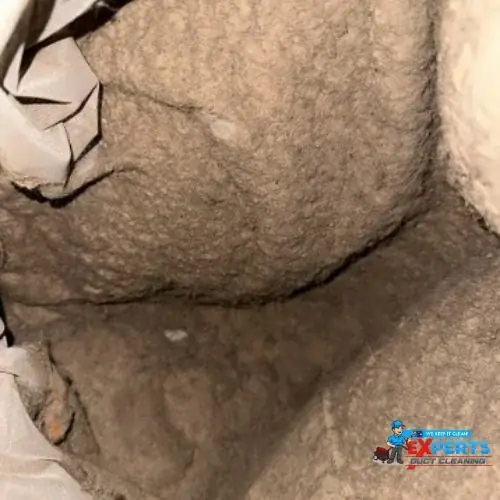
Take a photo of anything that looks off. It helps you compare later, and it gives a crew something concrete to look at when you ask for an estimate. A thin, even film of dust is ordinary; what you are hunting for is thick buildup, clumps, or anything that does not belong. Our real job photos show what heavy buildup looks like.
If your home is older and you see crumbling cloth, paper or tape wrapping on the ducts, do not touch it. Leave it alone and ask a professional to look.
Signs that sound like duct problems but often are not
This is where homeowners tend to overspend. Dust on your furniture is mostly generated inside the room: skin, fabric fibers, pet hair, and outdoor dirt carried in on shoes. Cleaning the ducts won't stop it, and our guide to air ducts and pets explains why owning a dog is not a reason by itself. A stuffy bedroom is often a closed door or a weak return rather than a dirty duct.
Uneven temperatures between floors are usually about balancing, insulation, or a failing damper. A system that is loud may need a blower or a loose panel looked at. If you only have one of these symptoms, check the cheaper explanations first.
- Dusty surfaces only: check the filter, rugs, and bedding first.
- One cold or hot room: check dampers, closed vents, and insulation.
- Musty smell near the furnace only: look at the drain, the humidity level, and the basement.
- Weak airflow: a clogged filter is the most common cause.
Signs that mean call someone sooner
Some findings should not wait. If you see what looks like mold, a rodent or insect infestation, or soaked insulation around the ducts, stop and get it assessed. The moisture or pest source has to be fixed before any cleaning makes sense, and a cleaner who tells you otherwise is skipping the important part.
The U.S. Environmental Protection Agency's short list of reasons to consider cleaning is similar: substantial visible mold growth, an infestation of rodents or insects, or ducts clogged with excessive dust and debris.
Likewise, if you smell burning, turn the system off and call your heating contractor. If you see smoke or flames, leave the house and call 911. That is a safety issue, not a cleaning job.
When you do call, describe what you saw and where, and mention any photos you took. That lets the person on the phone sort a cleaning question from a repair, pest or moisture question before anyone drives out.
What a professional looks at that you can't
From a vent opening you see only a short stretch. A crew can look into the trunk lines and returns, which you cannot see from a vent opening, and show you what is actually there. The goal of a free air duct cleaning estimate is a clear yes or no, not a pitch. We give them across our service area, including air duct cleaning in Bensalem.
If the answer is that your ducts look fine, that is a good outcome. Check back after a move, a leak, or building work; our air ducts after a renovation checklist covers that last one.
Quick answers
Is dust coming out of my vents a sign I need cleaning?
It can be, especially if it is loose debris that appears when the system starts. A little dust on a grille is normal. If you see recurring puffs of dust or clumps of debris, have the ducts inspected.
Does a musty smell always mean dirty ducts?
No. Musty smells can come from the basement, a furnace drain, or high humidity. If the smell follows the airflow and comes with visible moisture or growth, get it inspected. Find and fix the moisture source first.
Can I decide based on how dusty my house is?
Not reliably. Household dust is mostly made inside the room from fabric, skin, and pet hair. Looking inside a vent and checking the filter tells you far more than shelf dust does, and it is free.
Sources
Next step
Want a pro to look at your ducts? The estimate is free, and we will tell you plainly whether cleaning makes sense.
Air duct cleaning in towns we serve
Related guides
- Air ducts
How Often Should You Clean Air Ducts? It Depends
There is no calendar interval that fits every home. Ducts in a tidy house with a good filter routine can go a long time between cleanings. Renovation dust, pets, a past...
- Your home
Why Is My House So Dusty? What to Check First
Most household dust is made indoors from fabric fibers, skin flakes, pet hair and grit from shoes. If your home seems dustier than it should be, check these in order:...
- Your home
Musty Smell From Vents: What It Means, Who to Call
A musty smell from vents usually points to moisture somewhere in the system, such as a wet coil, a slow condensate drain, or damp air from a basement. Dusty ducts can...
- Dryer vents
Dryer Vent Cleaning vs Air Duct Cleaning: The Difference
Dryer vent cleaning clears the duct that carries hot, lint-filled air from your dryer outside. Air duct cleaning clears the ducts that move heated and cooled air through...