
Air Ducts and Pets: 5 Myths, Sorted From Fact
Pets add hair, dander and tracked-in dirt to a home, but that does not automatically mean your ducts need cleaning every year. A snug filter, regular vacuuming and a look inside your registers tell you more than the calendar does. Clean when you can see buildup, not just because you own a dog.
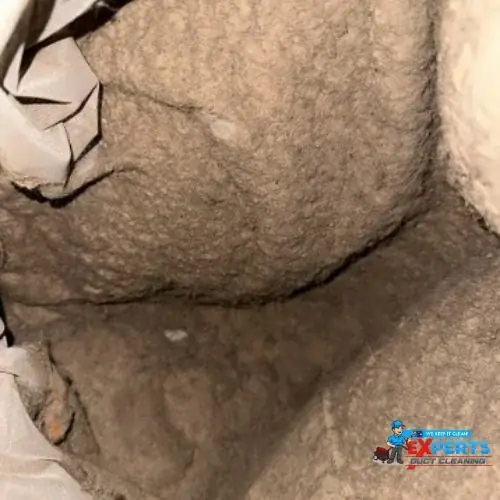
Myth: pet owners must clean their ducts every year
Fact: no schedule fits every home. The U.S. Environmental Protection Agency does not recommend routine duct cleaning either, only cleaning as needed. Pets raise the odds of buildup, especially long-haired breeds that shed heavily, but a snug filter changed on time catches much of it before it reaches the ducts.
A single cat in a tidy apartment and three shedding retrievers in a carpeted house are very different situations, and treating them the same either wastes money or lets buildup go too long. Your own registers will tell you more than any rule of thumb.
What works better than a calendar is a quick look, a couple of times a year. For the general timing, see how often to clean air ducts.
- Vacuum the return grille and the registers closest to the floor, where fur collects first.
- Shine a flashlight a few inches into a supply register. Matted hair and thick dust mean it is time for an estimate, which is free whether you need air duct cleaning in Bensalem or another town we serve.
- Check the filter more often than the package says during heavy shedding, and replace it when it looks furry.
A fair rule for when to skip: if the registers look clean inside and the filter is only lightly furred at each change, keep vacuuming and hold off on cleaning. Hair on the outside of a grille is housekeeping, not a duct problem.
Myth: duct cleaning will get rid of pet smells
Fact: pet odor lives mostly in soft things, like sofas, carpet, rugs and pet beds. Ducts can hold dusty, hair-laden buildup that carries some smell, so air duct cleaning may help a little, but it is not an odor treatment.
If the house smells like animal, wash the bedding, vacuum and shampoo the carpet and upholstery first. Then see whether the smell is still coming from the vents.
Myth: hair in the ducts means the filter isn't working
Fact: it depends where the hair is. Hair on the return grille, or just inside it, is normal. That is on the intake side, before the filter, and it is where pets shed the most. A grille that is thick with fur just needs vacuuming.
Hair and fluff beyond the filter, deep in the supply ducts, is different. That can suggest the filter does not fit snugly or air is leaking into the return side. Fix the fit first, and clean the ducts afterward if buildup is visible.
Myth: duct cleaning solves pet allergies
Fact: we cannot promise that, and no cleaner should. The EPA says duct cleaning has never been shown to prevent health problems. Dander is light, settles on every surface, and keeps arriving as long as the pet is in the house. Cleaning the ducts removes what is inside them. It does not remove dander from sofas, bedding, curtains or the animal.
If pet allergies are a concern in your home, talk with your doctor. Treat clean ducts as one small piece of keeping dust down, alongside filters, vacuuming and washing bedding.
Myth: with pets, buy the thickest filter you can find
Pet households do go through filters faster, which is why people reach for the densest one on the shelf. That instinct is understandable and often wrong.
Fact: a denser filter catches more but also restricts airflow, and not every system is built to cope with that. Use the filter grade your equipment is rated for, make sure it fits snugly, and change it on a schedule that reflects your shedding. If you are unsure what your furnace can handle, ask your HVAC technician or check the manufacturer's guidance. Our furnace filter guide explains ratings and fit.
Quick answers
How often should I clean air ducts if I have pets?
There is no set interval. Inspect a few registers and the return grille a couple of times a year, and clean when you see buildup or hair-laden dust. Heavy shedding, several animals or a neglected filter bring that sooner; a tidy, well-filtered home may wait longer.
Why is there so much pet hair around my vents?
Floor-level returns and registers sit right where fur drifts and settles. Hair collects on the grille and just inside the duct. Vacuum the grilles regularly. Hair deep in the supply ducts suggests gaps around the filter or leaks on the return side.
Can duct cleaning remove pet odor?
Seldom on its own. Pet odor sits mostly in fabrics, carpet and bedding, so clean those first. If your ducts hold heavy, hair-laden buildup, cleaning may help a little, but it is not a smell treatment.
Sources
Next step
Want a pro to look at your ducts? The estimate is free, and we will tell you plainly whether cleaning makes sense.
Air duct cleaning in towns we serve
Related guides
- Air ducts
How Often Should You Clean Air Ducts? It Depends
There is no calendar interval that fits every home. Ducts in a tidy house with a good filter routine can go a long time between cleanings. Renovation dust, pets, a past...
- Seasonal & buying
Furnace Filter Guide: Size, Type, MERV and Timing
A furnace filter mainly protects your blower and heating equipment, and it catches some household dust along the way. Match the size printed on the filter frame, check...
- Air ducts
Signs Your Air Ducts Need Cleaning (and Signs They Don't)
The clearest signs are visible: dust or debris at the vents, buildup you can see inside the ducts, or evidence of moisture or pests. Dusty shelves alone, or a stuffy...