
Pennsylvania Humidity and Your Air Ducts
Pennsylvania summers are humid, and cool air from your air conditioner can make moisture condense on ducts, vents and registers. A little sweating on an uninsulated duct is common and usually fixable. Persistent dampness, drips or a musty smell point to a moisture problem that cleaning alone will not solve.
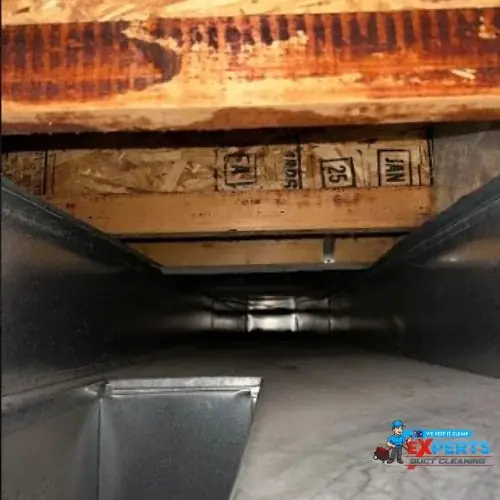
Why do my vents and ducts sweat in summer?
Warm, humid air meets a cold surface and leaves water behind. It is the same thing that happens on a glass of iced tea. When your air conditioner runs, the supply ducts and the metal around vent openings get cold, and humid air that touches them forms droplets.
It shows up most where ducts run through an attic, crawl space or damp basement, because the air around them is warmer or wetter than the air inside the house. Missing or torn duct insulation makes it worse. A faint ring of moisture around a register on the muggiest days is common. Water that drips onto a ceiling is not.
A useful test is timing. Moisture that appears when the air conditioner has been running hard and dries within a few hours of it shutting off is ordinary condensation. Moisture that never dries, or that stains drywall, tells you something is wrong with insulation, airflow or the drain line.
Does damp air mean there is mold in the ducts?
Not by itself. Moisture is only one ingredient. Mold also needs something to feed on, and ordinary household dust can be enough. So damp ducts with a heavy dust layer deserve attention, while a register that was briefly damp on a sticky afternoon usually does not.
We clean dust and debris out of ducts, and we are not mold specialists. If you see fuzzy or dark growth, or a strong musty smell that stays, treat it as a moisture problem first: find where the water is coming from, then decide on cleanup. The EPA's mold guide starts from the same place: the key to mold control is moisture control. An HVAC contractor can trace the cause, and a duct inspection shows what the inside of the system actually looks like.
Smell is the other clue. A faint damp odor in a basement after a week of heavy rain is common. A sharp, earthy smell that comes out of the vents each time the system starts deserves a closer look. Our guide to a musty smell from vents sorts smells by likely cause.
What can I check and fix myself?
Most humidity trouble starts with a few things you can look at in an afternoon.
- On a humid day with the air conditioner running, feel a few supply registers and note which ones show moisture.
- Look at any ducts you can reach in the basement or attic for torn insulation, loose seams or gaps at joints.
- Keep indoor humidity moderate. The EPA suggests staying below 60 percent relative humidity, ideally between 30 and 50 percent. A small hygrometer from a hardware store shows your level, and a dehumidifier in a damp basement can help the whole house.
- Change the furnace filter on schedule; our furnace filter guide covers timing. A clogged filter restricts airflow and can leave the cooling coil colder than it should be.
- Look at the air conditioner's drain line and pan near the indoor unit. If water is pooling there, call your HVAC contractor.
None of this needs special tools. If anything on the list turns up a real problem, write down where and when you saw it, so the contractor has something to work from.
When is a cleaning worth it after a humid summer?
Have an HVAC contractor check for moisture first if a musty smell returns every time the air conditioner starts. Consider an air duct cleaning visit if you can see dust or debris at the vent openings, or if you had a water problem that has since been fixed and want the ducts checked. Fix the moisture first. Cleaning ducts that keep getting wet is a short-term fix at best. The EPA says as much: correct the cause before any cleaning, or the problem will likely recur.
Humidity alone is not a reason to book. If your vents look clean, air flows normally and nothing smells off, you can skip it and keep up with filter changes. If you would like a second opinion, a free estimate for air duct cleaning in Lansdale or another Montgomery County town starts with a look inside the vents.
Quick answers
Is it normal for air ducts to sweat in summer?
Light condensation on uninsulated ducts or around registers on very humid days is common, especially in attics, crawl spaces and basements. Dripping water, ceiling stains or damp insulation is not normal and needs an HVAC contractor to look at insulation, airflow and humidity.
Can a dehumidifier protect my ducts?
A dehumidifier lowers the moisture in the air around your ducts, which helps reduce condensation, especially in a damp basement. It does not replace insulation on cold ducts or remove dust that is already inside. Treat it as one helpful piece, not the whole fix.
Should I clean my ducts every summer?
No. Humidity by itself is not a reason to schedule a cleaning. Clean when you can see dust or debris in the system, notice a lingering musty smell, or have finished a renovation or water repair. Otherwise, regular filter changes do more for everyday upkeep.
Sources
Next step
Want a pro to look at your ducts? The estimate is free, and we will tell you plainly whether cleaning makes sense.
Air duct cleaning in towns we serve
Related guides
- Your home
Musty Smell From Vents: What It Means, Who to Call
A musty smell from vents usually points to moisture somewhere in the system, such as a wet coil, a slow condensate drain, or damp air from a basement. Dusty ducts can...
- Air ducts
Signs Your Air Ducts Need Cleaning (and Signs They Don't)
The clearest signs are visible: dust or debris at the vents, buildup you can see inside the ducts, or evidence of moisture or pests. Dusty shelves alone, or a stuffy...
- Air ducts
Is Air Duct Cleaning Worth It? An Honest Look
Air duct cleaning is sometimes worth it and sometimes not. It is worth it after renovation, water or pest problems, a move into an unknown home, or when buildup is...