
Fall HVAC Checklist for Pennsylvania Homes
Do these before the first cold snap: replace the furnace filter, uncover every vent, test thermostat and alarms, clear the dryer vent and lint trap, and call an HVAC contractor if heat will not start. Most of it takes under an afternoon, and it catches problems while repairs are still easy to schedule.
Do a walk-through before the first cold night
The first real cold night is a bad time to find a dead thermostat. Pick a mild weekend in early fall and work through the house from the basement up.
- Replace the furnace filter, and write the date on it. Our furnace filter guide covers size and direction.
- Test the thermostat. Switch to heat and confirm the system starts and shuts off.
- Check batteries in the thermostat, smoke alarms and carbon monoxide alarms, and test each alarm.
- Look at the area around the furnace and water heater. Clear boxes, paint cans and anything stored against them.
Keep a pen and a phone handy. Write down anything odd, such as a rattle, a cold room or a smell, so you can describe it clearly if you need to call someone.
Open up the airflow
Rooms heat unevenly when vents are blocked. Walk each room and check that supply registers and return grilles are open and not buried under furniture, rugs or curtains.
Vacuum the visible dust off registers and grilles, and lift them to look a few inches in. Pet hair, toys and dust bunnies collect there over the summer. If you see heavy debris well inside the duct, that is when air duct cleaning starts to make sense. If everything looks clean, leave it alone. The EPA does not recommend routine duct cleaning, only cleaning as needed.
Also check that the outdoor intake and exhaust pipes, if your furnace has them, are clear of leaves, snow and anything stacked against the wall. Blocked pipes can stop a furnace from running.
Do not forget the dryer
Fall means sweaters, blankets and towels, and more drying indoors as the weather turns. A dryer that already struggles in summer will struggle more with heavy loads.
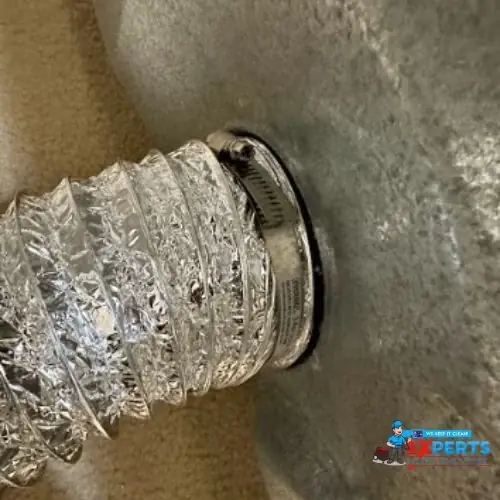
Clean the lint trap every load. The U.S. Fire Administration's dryer safety flyer says before and after each cycle. If it is an electric dryer that slides out easily, pull it forward and make sure the duct behind it is not crushed or kinked. Leave gas dryers in place and ask a pro. Go outside and check the exterior flap: it should open when the dryer runs and be free of lint and nests. If clothes take two cycles to dry or the laundry room feels hot and humid, the vent likely needs a proper cleaning.
A dryer whose outside surface is much hotter than usual, or a burning smell during a cycle, is a reason to stop the dryer and have it checked.
Know what to leave to a professional
Some jobs are not for a weekend project. If the system will not start, short-cycles, makes grinding noises or smells like burning that does not fade after the first run, shut it off and call an HVAC contractor. A brief dusty smell the first time the heat runs is common, as dust on the heating parts burns off. If you ever smell gas, leave the house and call your gas company or 911 from outside. If a carbon monoxide alarm sounds, get everyone outside and call 911.
Fireplaces and wood stoves are a separate trade. Have a chimney professional inspect those. For your ducts and dryer vent, timing is flexible: an air duct cleaning before heat season makes sense after a renovation or if you can see buildup, and a dryer vent cleaning is worth doing before the heavy laundry months. We work out of Huntingdon Valley and cover the towns around it, including dryer vent cleaning in Willow Grove.
Quick answers
Is it normal to smell dust when the heat first comes on?
Yes, a light dusty or warm smell for a short time is common the first time the heat runs after months off. If the smell is strong, lingers, smells like burning plastic or gas, shut the system off and call a professional. For gas, leave the house first.
When should I schedule an air duct cleaning before winter?
Early fall is a good window if you plan to clean, since you will be running the heat for months afterward. It makes the most sense after a renovation, after finding heavy dust or debris in the vents, or if it has been a long time since the ducts were looked at.
Does the fall checklist replace a professional furnace tune-up?
No. This checklist covers what a homeowner can safely do. Combustion, heat exchanger and gas checks belong to a qualified HVAC technician. Many people book that service in early fall, before contractors fill up for the season.
Sources
Next step
Not sure which job you need? The estimate is free, and we will tell you plainly what makes sense.
Air duct and dryer vent cleaning in towns we serve
Related guides
- Seasonal & buying
Furnace Filter Guide: Size, Type, MERV and Timing
A furnace filter mainly protects your blower and heating equipment, and it catches some household dust along the way. Match the size printed on the filter frame, check...
- Dryer vents
How Often Should You Clean a Dryer Vent?
A common rule of thumb is once a year, then adjust. Big households, pet owners, long or bendy vent runs and foil ducts usually need it sooner. A lightly used dryer on a...
- Air ducts
How Often Should You Clean Air Ducts? It Depends
There is no calendar interval that fits every home. Ducts in a tidy house with a good filter routine can go a long time between cleanings. Renovation dust, pets, a past...