
How Often Should You Clean a Dryer Vent?
A common rule of thumb is once a year, then adjust. Big households, pet owners, long or bendy vent runs and foil ducts usually need it sooner. A lightly used dryer on a short, straight vent can wait longer. Your dryer manual may give its own interval.
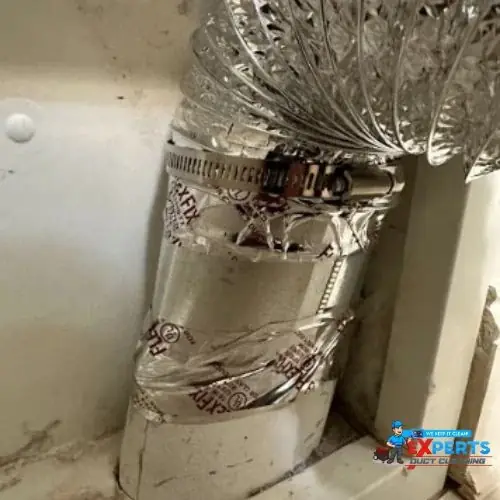
Start with once a year, then adjust for your home
Ask five installers and you will hear a few different answers, because the right schedule depends on how much lint your dryer makes and how easily the vent carries it out. A common rule of thumb is a yearly cleaning. Treat that as a starting point, not a law, and check your dryer manual for the maker's own advice.
The U.S. Fire Administration does not name a single interval either. Its advice is to have the dryer and its venting system serviced and cleaned periodically by qualified service personnel, especially when clothes take longer than normal to dry.
The table below shows how the interval tends to move. It describes patterns we see on jobs, not exact timelines.
| Your situation | Lean toward | Why |
|---|---|---|
| Couple or small household, a few loads a week | About yearly | Lint builds slowly and a short vent clears easily. |
| Family with daily loads | More often than yearly | More loads means more lint passing through the duct. |
| Shedding pets | More often than yearly | Pet hair mixes with lint and makes it clump. |
| Lots of towels, blankets and bedding | More often than yearly | Heavy fabrics release a lot of lint. |
| Long vent run or several bends | More often than yearly | Air slows at every turn, so lint settles there. |
| Rarely used or second dryer | Check yearly, clean when needed | Little use, but nests and blockages can still form. |
Pennsylvania adds a small twist. Long cold seasons mean heavier laundry, like blankets, hoodies and bedding, and a lot of older homes have vents that were routed in awkward ways. Neither is a problem by itself, but both nudge a home toward the shorter end of the range. The same U.S. Fire Administration report, covering 2008 to 2010, found home clothes dryer fires were more frequent in fall and winter, peaking in January.
What shortens the interval
Two homes with the same laundry habits can need very different schedules. The duct matters as much as the dryer. Our foil flex vs rigid dryer duct comparison explains why.
- Ridged foil or plastic flex duct, where lint catches on the ribs.
- A vent that runs up through a ceiling or out a roof instead of straight out a wall.
- Many elbows, or a duct that has been crushed behind the dryer.
- An outside hood with a screen or cover that clogs with lint.
- A new family member, a new pet or a switch to heavier laundry.
If several of these describe your home, consider cleaning more often than yearly, and look at the vent between visits.
Quick habits between cleanings
A few small habits stretch the time between professional visits and catch trouble early.
Clean the lint screen before every load; the U.S. Fire Administration says before and after each cycle. Once a season, run the dryer for a few minutes and watch the outside flap open. Keep the area around the dryer clear of clutter, and avoid overloading the drum so air can move through the clothes.
Write the date of each cleaning on a piece of tape near the dryer. It sounds small, but it answers the question 'when was this last done?' faster than any memory, and it helps whoever services the vent next.
Clean sooner if you notice these
Skip the calendar when the dryer tells you something is wrong. Longer drying times, clothes that stay damp, a hot laundry room or lint around the door all mean the vent needs attention now, whatever the last cleaning date was. Our guide to the signs your dryer vent is clogged covers the full list.
If you are not sure where your home falls, call and describe your setup. We will tell you whether a dryer vent cleaning is due or whether you can wait. That goes for dryer vent cleaning in Warminster, dryer vents in Jenkintown and every other town we serve.
Quick answers
Is cleaning the lint screen enough?
It is essential, but it is not enough on its own. Fine lint slips past the screen and builds up in the duct and outside hood. The screen protects the dryer; the vent needs its own cleaning on a schedule.
Can I clean a dryer vent too often?
Not in a way that normally hurts a properly installed vent. If lint barely builds up in your home, a visit just confirms the duct is clear. Most households do better matching the schedule to their laundry habits than cleaning on impulse.
Does the type of duct change how often it needs cleaning?
Yes. Ridged flexible duct holds lint more easily than smooth rigid metal, so homes with flex duct often need cleaning sooner. Our comparison guide explains the differences and what to ask about when you replace a duct.
Sources
Next step
Want the vent checked? The estimate is free, and we will tell you plainly what the vent run needs.
Dryer vent cleaning in towns we serve
Related guides
- Dryer vents
Signs Your Dryer Vent Is Clogged (and What to Check)
A clogged dryer vent usually shows up as loads that need two cycles, clothes that come out hot but still damp, a warm or musty laundry room, and an outside flap that...
- Dryer vents
Foil Flex vs Rigid Dryer Duct: Which Is Better?
Smooth rigid or semi-rigid metal duct is the preferred choice for a dryer vent, because lint slides through it and it resists crushing. Thin foil accordion duct is...
- Dryer vents
Rowhome and Twin Dryer Vents: Layout Problems, Fixes
Rowhomes and twins have few exterior walls, so dryer vents often run long and bend around corners to reach one. Long runs, tight turns and crushed foil duct trap lint....
- Dryer vents
Why Your Dryer Takes Two Cycles to Dry
When a dryer needs two cycles, work from easiest to hardest: check load size, the lint screen, the outside flap and the duct behind the machine. If the flap barely opens...