
Why Is My House So Dusty? What to Check First
Most household dust is made indoors from fabric fibers, skin flakes, pet hair and grit from shoes. If your home seems dustier than it should be, check these in order: the furnace filter, leaks in the duct system, the rooms themselves, outdoor air, and then dust inside the ducts. Recent construction can move ducts up the list.
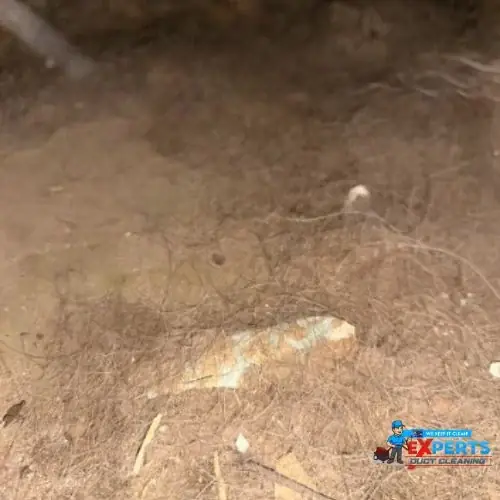
Where does household dust come from?
Dust is not one thing. It is a mix of fibers from carpets, bedding and clothing, flakes of skin, pet hair, pollen, and soil that arrives on shoes or drifts in from outside. Every home makes it, so a house with no dust does not exist.
The useful question is whether yours is dustier than it ought to be. A gray film that returns within a day or two of wiping, dust gathering around the supply registers, or a haze on surfaces every time the heat or air conditioning starts are signs that air is moving more dust around than it should.
Six causes, in the order we check them
This is the order we would work through on a visit, from the quickest thing to check to the most involved. It is a field routine, not a ranking by statistics. Every house is different.
- The furnace filter. A filter that is overdue, the wrong size, or loose in its slot lets dusty air slip past and straight back into the rooms. Check the size printed on the frame and look for gaps around the edges. Our furnace filter guide covers sizing and fit.
- Leaks in the duct system. Return ducts that run through basements, crawlspaces and attics can pull in air from those spaces through loose seams, and that air carries whatever dust lives there.
- The rooms themselves. Carpet, upholstered furniture, bedding, curtains and pet beds shed fibers all day. Cluttered shelves give dust more places to land and make it look worse.
- Outdoor air. Open windows, a door that does not seal, dry windy weather, and work going on next door all bring in pollen and grit.
- Dust sitting inside the ducts. Over time, dust settles in the ductwork and can be blown out of the supply registers when the system starts. This is the cause that duct cleaning actually addresses.
- Recent construction. Sanding, demolition and tile cutting put very fine dust into the house and, if the system was running, into the ducts. See our checklist for air ducts after a renovation.
A ten-minute test you can do yourself
Before you book anyone, find out which cause you are dealing with. You need a flashlight and a clean cloth.
- With the system off, pull the filter and hold it up to a window. If you cannot see light through it, replace it with the size printed on the old frame, and make sure it sits snug.
- Wipe one shelf clean and note how fast the film comes back. If you can, repeat it after a day with the system switched off, and compare.
- Shine the flashlight into a supply register. Fuzzy, visible buildup in the first few inches tells you something. A clean metal interior suggests the ducts are not your problem.
- Look at the return grilles. Thick, furry dust there usually points to a filter that is not doing its job or a leak on the return side.
- Notice when it is worst: right after the system starts, after laundry day, after the windows have been open. The timing points at the source.
When duct cleaning is the answer, and when it isn't
Professional air duct cleaning makes sense when you can see real buildup in the ducts, when dust pours from the registers each time the system starts, or after construction that ran with the system on. In those cases the dust has a home inside the ducts, and a new filter alone will not remove it.
It is not the answer when the filter is the problem, when the ducts leak from a basement or attic, or when the dust is simply the normal output of a busy home with carpet and pets. Cleaning in those situations may only look good for a short while before the dust is back. Fix the source first. A reputable cleaner will tell you when the ducts are not the cause.
The U.S. Environmental Protection Agency takes a similar line. It does not recommend cleaning ducts on a routine schedule, only as needed, and it notes that much of the dirt in ducts clings to the duct surfaces and does not necessarily reach the living space.
If you are unsure, a free estimate visit is an easy way to get a second pair of eyes on it. We do them across Bucks and Montgomery counties, including air duct cleaning in Warminster, a short drive from our Huntingdon Valley shop. Dust can bother some people, so wanting it under control is reasonable, but clean ducts are one part of the picture rather than a cure-all.
Quick answers
Why is my house dusty even though I clean every week?
Weekly cleaning removes what has settled but does not stop new dust arriving. If the film returns within a day or two, look at the furnace filter, leaky return ducts and open windows first. Dust that streams out of the registers when the system starts points toward the ducts.
Can dirty air ducts make a house dustier?
They can. Dust that has settled inside ducts may be blown back out through the registers when the system runs. It is only one possible cause, though, so check the filter and leaks first, and look inside a register with a flashlight before assuming the ducts are to blame.
Will a better furnace filter reduce dust?
A correctly sized, clean filter helps, and a poor fit lets air bypass it. A very dense filter is not always better, because some systems struggle to pull air through it. Check what your furnace manufacturer recommends, or ask your HVAC technician.
Sources
Next step
Want a pro to look at your ducts? The estimate is free, and we will tell you plainly whether cleaning makes sense.
Air duct cleaning in towns we serve
Related guides
- Air ducts
Signs Your Air Ducts Need Cleaning (and Signs They Don't)
The clearest signs are visible: dust or debris at the vents, buildup you can see inside the ducts, or evidence of moisture or pests. Dusty shelves alone, or a stuffy...
- Seasonal & buying
Furnace Filter Guide: Size, Type, MERV and Timing
A furnace filter mainly protects your blower and heating equipment, and it catches some household dust along the way. Match the size printed on the filter frame, check...
- Air ducts
Is Air Duct Cleaning Worth It? An Honest Look
Air duct cleaning is sometimes worth it and sometimes not. It is worth it after renovation, water or pest problems, a move into an unknown home, or when buildup is...